


How PCD Drills Achieve Efficient Drilling on Ceramic and Other Hard & Brittle Materials
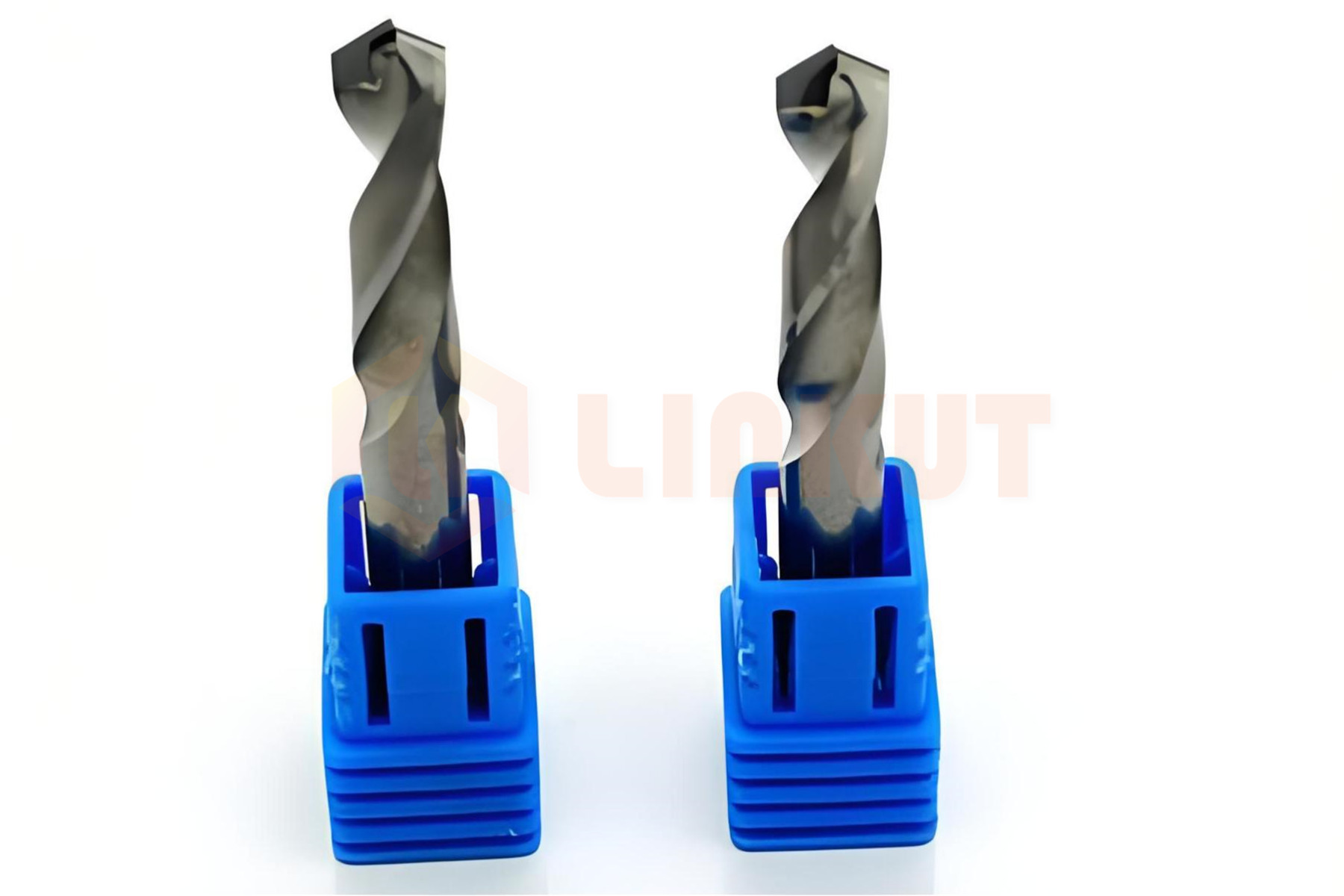
In the precision machining industry, hard and brittle materials such as ceramics, graphite, and carbon fiber composites are widely used in new energy, semiconductors, and aerospace sectors due to their high hardness, excellent temperature resistance, and corrosion resistance. Nevertheless, these materials feature high brittleness and low thermal conductivity, making them prone to chipping and cracking during drilling. Traditional carbide drills are susceptible to rapid wear and thermal softening, resulting in poor efficiency and high scrap rates. In contrast, PCD (Polycrystalline Diamond) drills have become the ideal solution for hard brittle material machining thanks to their ultra-high hardness and optimized cutting structure.
1. Working Principle & Structural Advantages
PCD cutting parts are sintered from fine diamond powder under high temperature and high pressure, reaching a hardness of HV8000–10000, 5 to 8 times higher than conventional carbide. Adopting a welded structure with a carbide substrate and brazed PCD tip, the drill balances outstanding structural rigidity and superior wear resistance.
To solve the chipping issue of ceramic materials, the PCD drill bit is designed with optimized geometric angles: a rake angle of 0°–5° and a relief angle of 10°–15°. Combined with spiral flutes, this design effectively disperses cutting pressure, accelerates chip removal, reduces heat accumulation, and significantly lowers the risk of workpiece cracking and edge chipping.
2. Applicable Materials & Core Benefits
LINKUT PCD drills are suitable for alumina ceramics, zirconia ceramics, graphite, acrylic, carbon fiber boards and other difficult-to-machine brittle materials. Compared with standard carbide drills, PCD tools present prominent advantages for ceramic drilling:
1. High temperature resistance & extreme durability: Diamond can withstand operating temperatures up to 1500℃ without softening or abrasion, delivering outstanding thermal stability during continuous machining.
2. Effective chipping suppression: The micro-edge cutting structure evenly distributes drilling force and reduces instantaneous impact, which perfectly adapts to brittle ceramics and maintains intact hole edges.
3. Consistent machining quality: The non-coated integrated design eliminates coating peeling and contamination under high temperatures, ensuring superior and uniform inner hole finish.
Actual production tests show that when drilling alumina ceramics, the service life of PCD drills can exceed 50 times that of ordinary carbide drills, greatly reducing tool replacement costs and downtime.
3. Recommended Process Parameters & Operation Guidelines
To maximize tool lifespan and machining stability, please follow the specifications below:
Cutting Parameters: Spindle speed 3000–8000rpm, feed rate 0.05–0.2mm/r, maximum cutting depth ≤ 50% of the drill diameter.
Cooling Solution: Dry cutting is strictly prohibited. Water-based coolant or emulsion is recommended with a flow rate of 15–20L/min to dissipate heat efficiently and prevent diamond oxidation and thermal cracking of workpieces.
4. Precautions & Restrictions
1. Never perform dry cutting; excessive heat will cause irreversible oxidation damage to the PCD edge.
2. Do not machine ferrous metals such as carbon steel and stainless steel, as chemical reactions between diamond and iron will erode the cutting edge.
3. Inspect the cutting edge regularly. Replace the drill timely once the flank wear exceeds 0.2mm to avoid batch defective products caused by dull edges.
Previous Article:none
Next Article: PCD Micro Drills | Ultra-Precision Micro-Hole Machining
- What part of Cylinder Liner is PCBN Tool suitable for machining?
- What is the use of PCD Tools with a chipbreaker?
- Characteristics and Application of CVD Diamond Tools
- Types and Applications of MCD Diamond Tools
LINKUT Precision Tools CO.,Ltd
No. 70 Dianchang Road, High-tech Industrial Development Zone, Zhengzhou. China.


